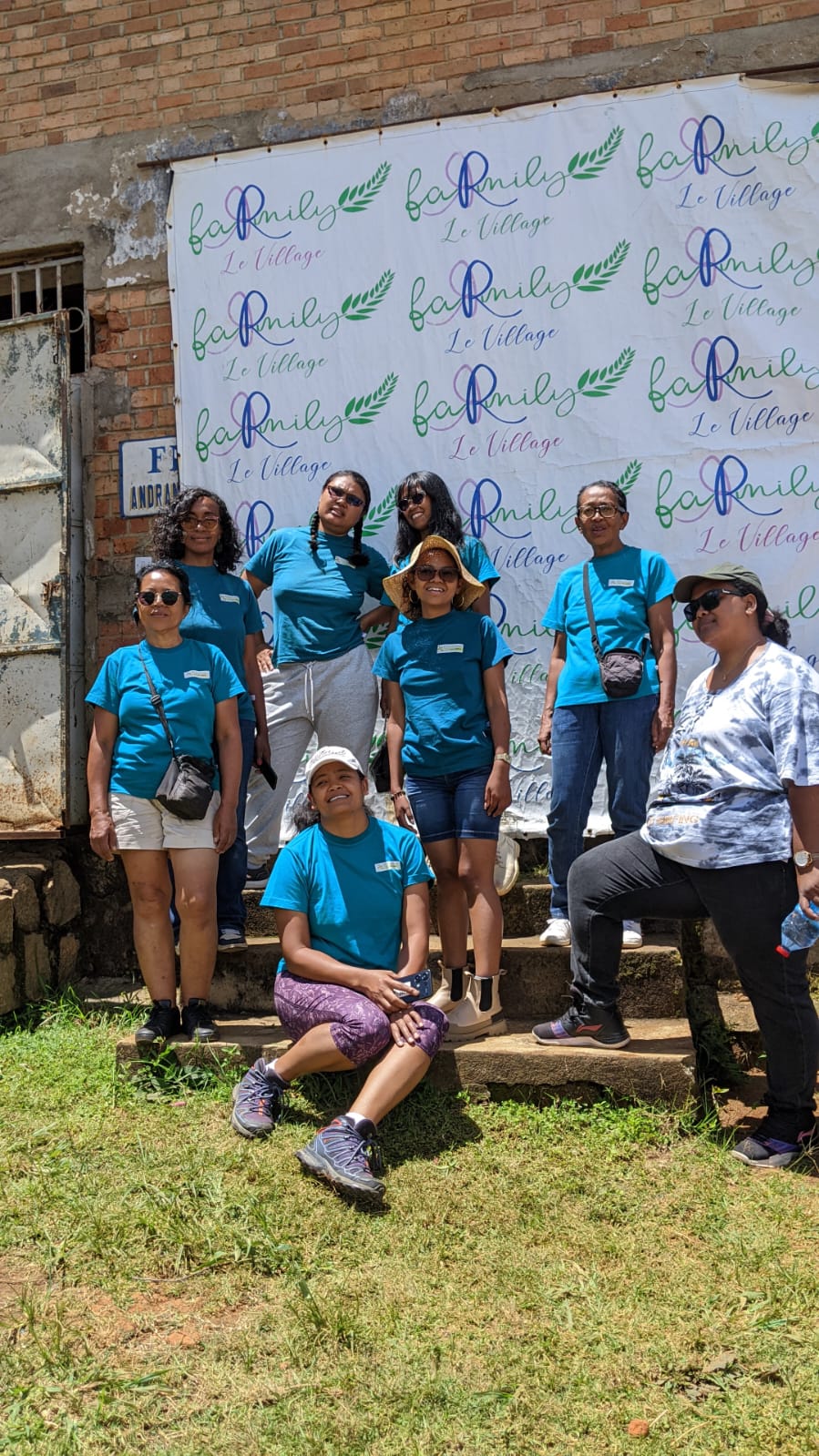
At Farmily, we spend a lot of our time in the vegetable garden. We take care of it, but above all, we observe it. What grows well? What struggles? And why?
It sounds simple. But the garden has become our most honest teacher.
Learning by Watching
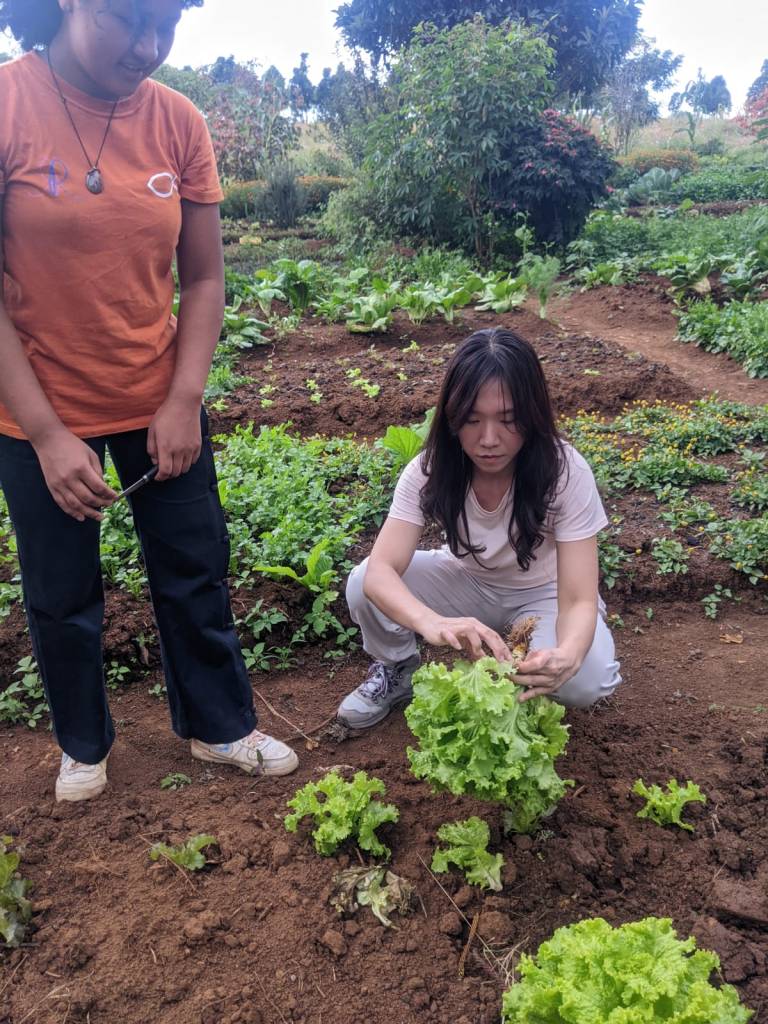
Right now, watching is what we do most. We follow each plant from seed to harvest, and we note what thrives and what doesn’t. It’s slow work, and it teaches patience. A garden doesn’t care about our schedule: it grows when the conditions are right.
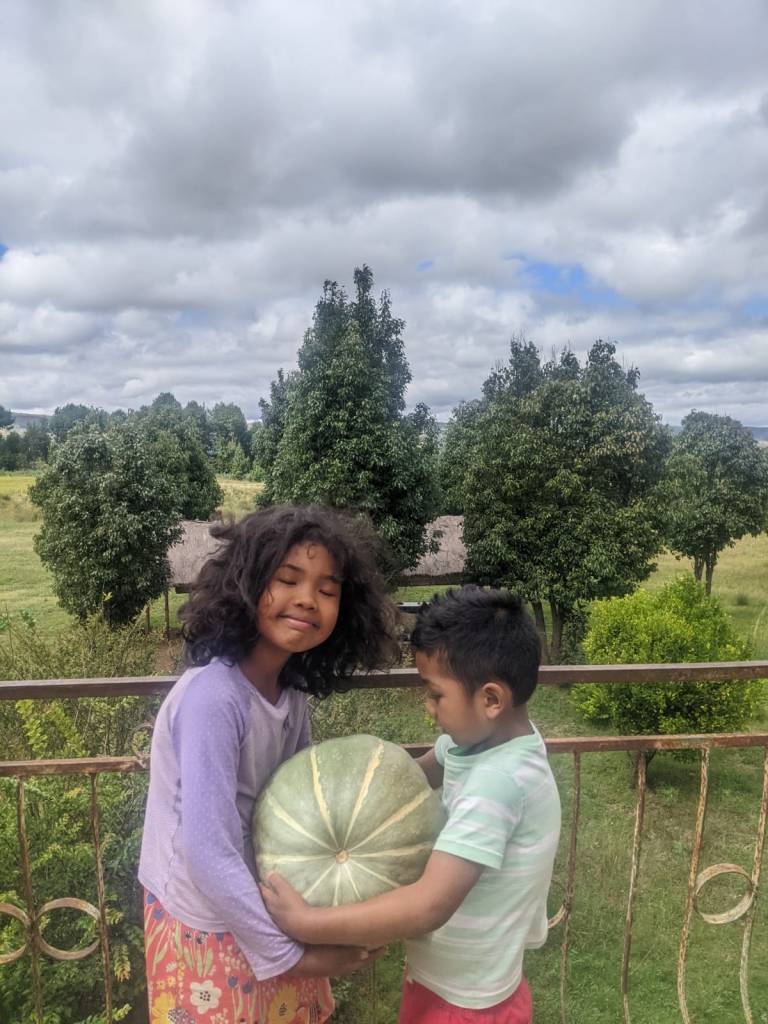
Our children are part of it. They see for themselves that food doesn’t come from a shelf, and that every vegetable depends on soil, water and weather.
When the Seasons Stop Following the Calendar
The more we watch, the more we notice that the weather no longer behaves the way it used to. Climate change is a real catastrophe, and we see it in our own garden.
Every year, the seasons shift a little more. Some years, the rains only arrive in December. This year, in September, it was still winter, and at the same time it was raining.
That’s not what we learned as children. Back then, winter ended in August. By October it was warm, and the rains began. The calendar we grew up with no longer holds, and a garden that depends on it feels the change first.
It’s one thing to read about climate change in an article. It’s another to plant seeds and no longer know when the rain will come.
Our Answer: Reforestation
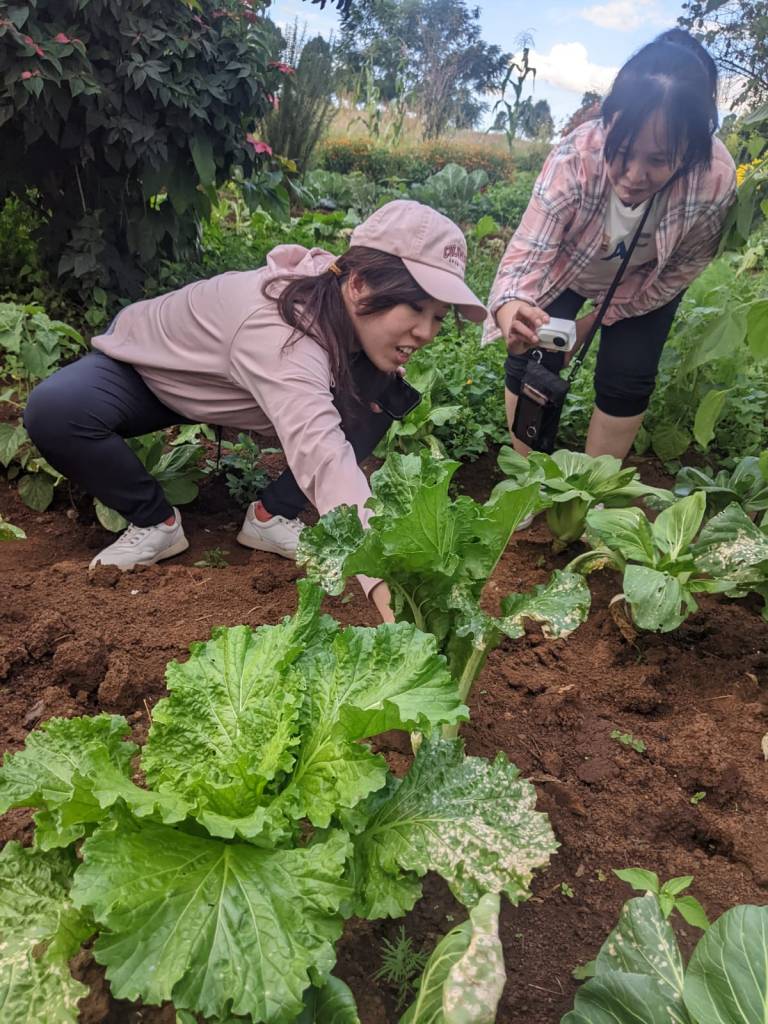
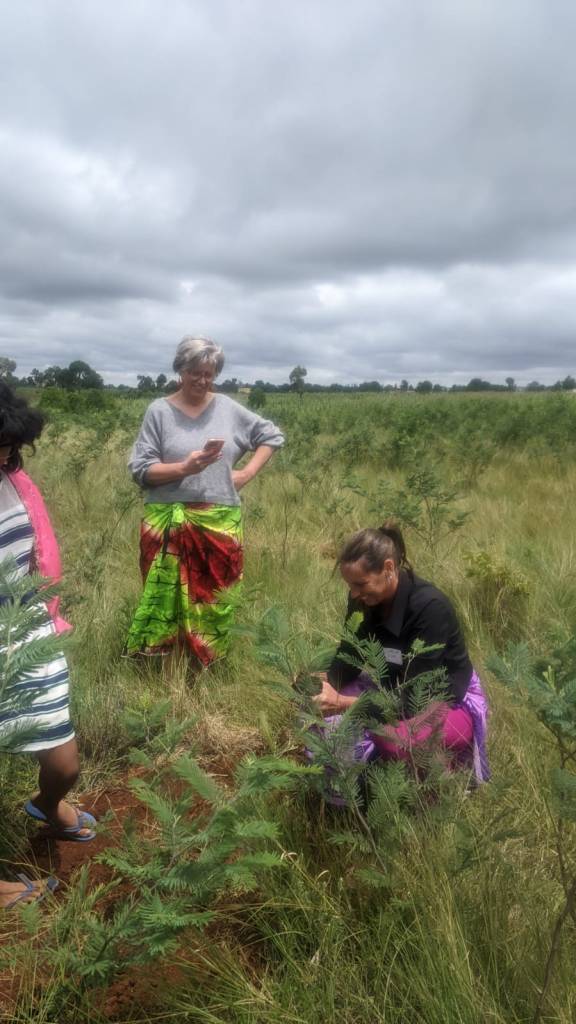
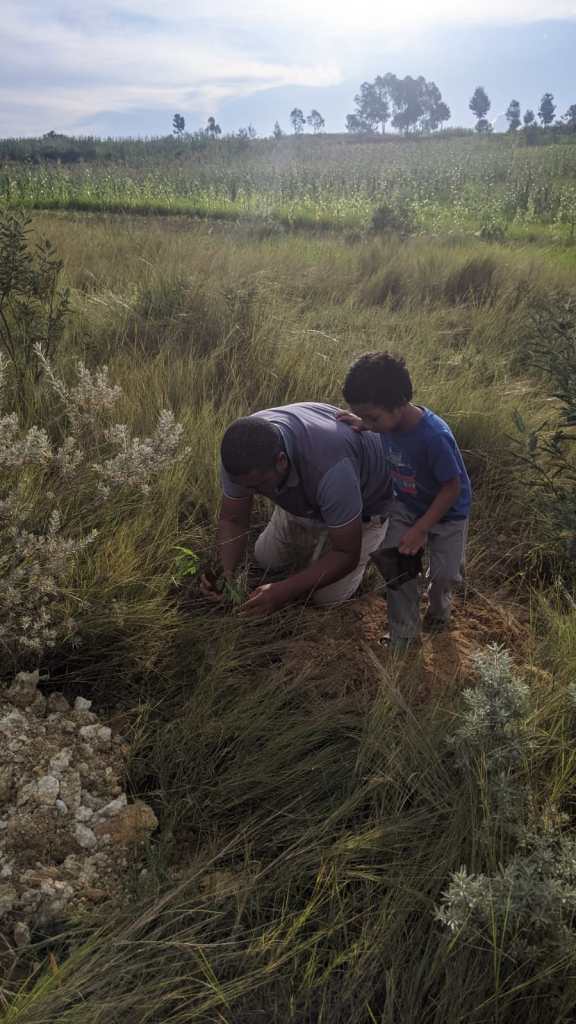
We don’t want to just watch. At Farmily, we carry out reforestation, and our guests take part in it.
During planting season, visitors plant trees with us. When it isn’t planting season, part of the price of their stay is set aside to pay for the work that has to be done in advance: digging the holes, collecting the seedlings, and preparing everything before the rains.
That way, every guest contributes to the project, whatever time of year they visit.
It’s our way of helping to care for and protect the planet, one tree at a time. We know it won’t solve everything. But we would rather plant than only worry.
Why We Share This
We could have kept the garden and the trees to ourselves. But we believe the best way to understand what is happening to the climate is to see it with your own eyes, and to do something about it with your own hands.
So when travelers join us at the farm, they don’t just learn how a tomato grows. They learn why the seasons matter, and why every tree counts.
Next up: a night in a tent at Farmily, with campfire songs and a modern shower.


Leave a Reply