There was a place near Morondava that we kept avoiding.
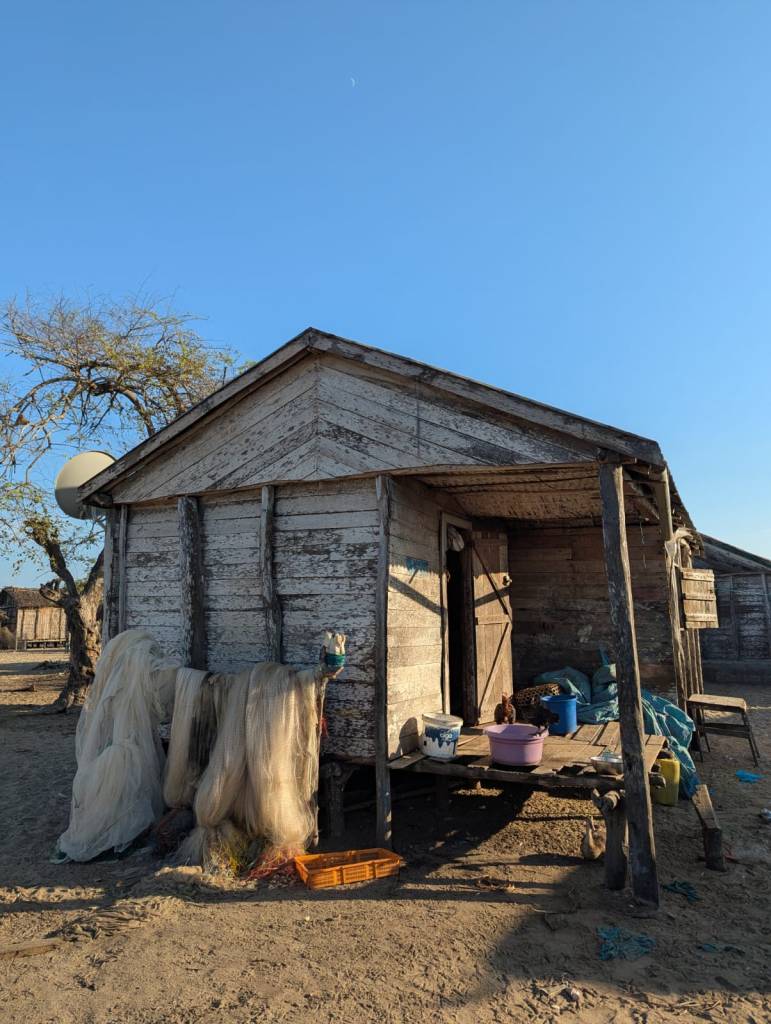
Kivalo is a fishing village, about an hour from Morondava by road, followed by another hour in a local pirogue.
We had been told there was no hotel.
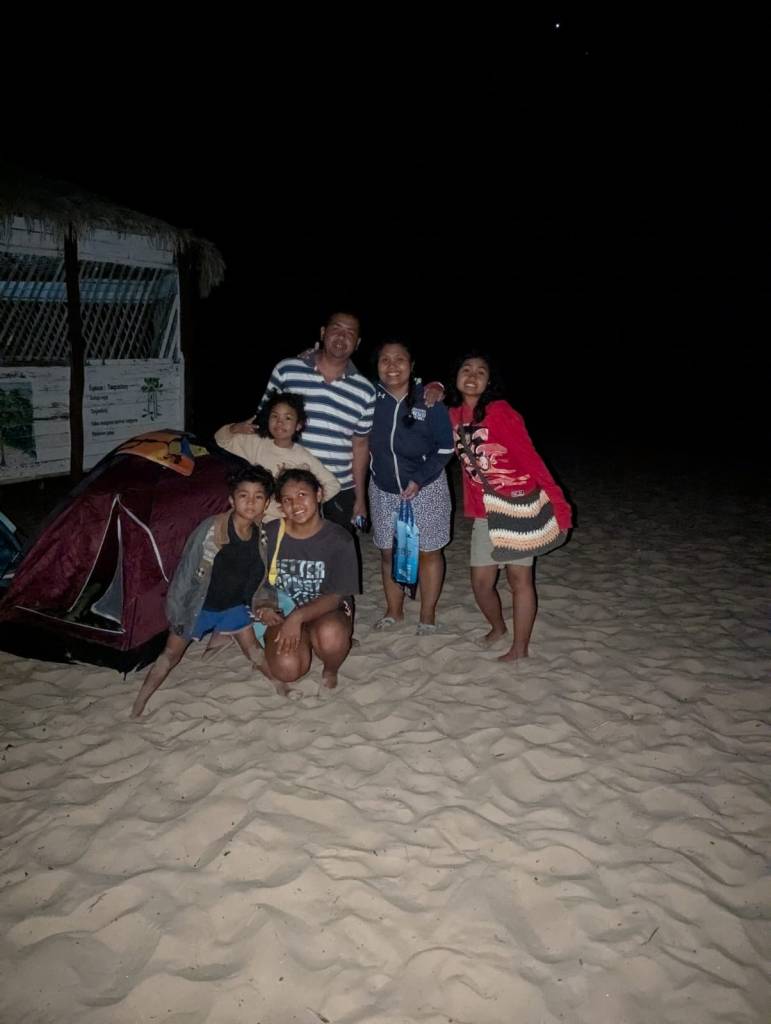
We would either sleep in a tent or stay with a local family.
And this was the end of our holidays. We were ready for a little comfort.
Then there was the mud.
To reach the pirogues, we would have to walk through it.
And the toilets?
We honestly had no idea.
Were there toilets? Would we have to find a quiet place in nature? What would they look like?
In a fishing village where all the homes are very basic, we weren’t quite sure what to expect.
So we kept putting Kivalo off.
There was one person who didn’t give up on it: Dad.
He doesn’t usually suggest many destinations. But this time, he kept insisting.
He had already been to Kivalo.
He knew what was waiting for us.
So eventually, we thought: it’s only two hours away.
Let’s go.
And we are so glad we did.
A different kind of luxury
The journey itself was part of the adventure.
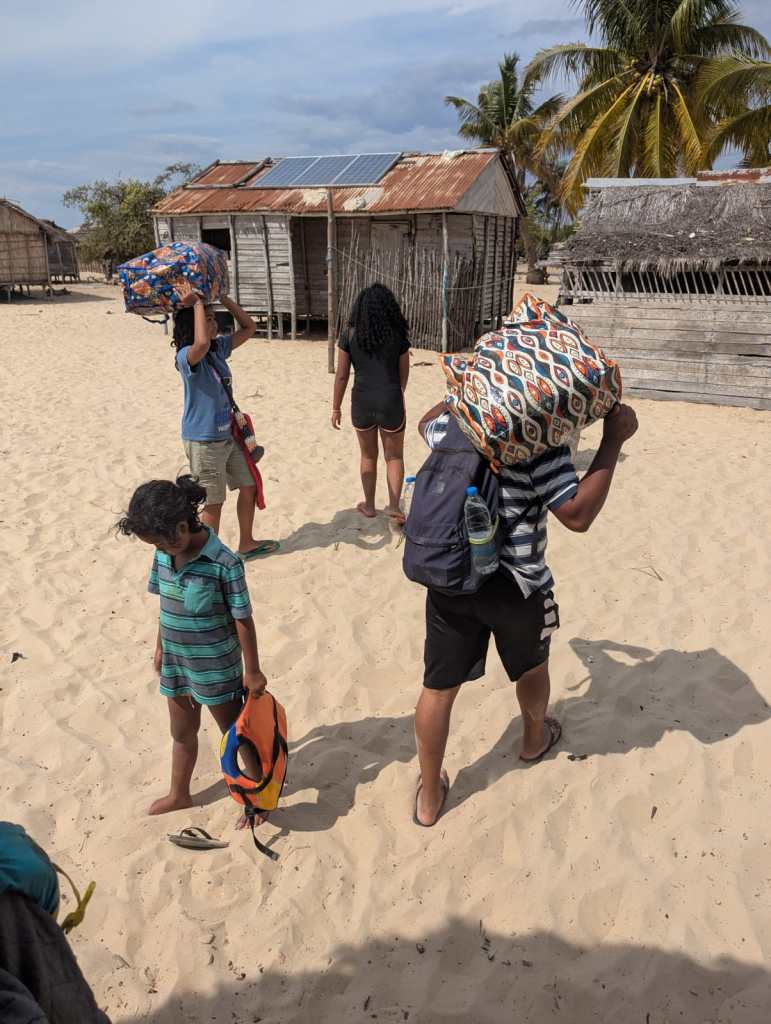
We walked through the mud to reach the pirogue, then crossed the water in a local boat.
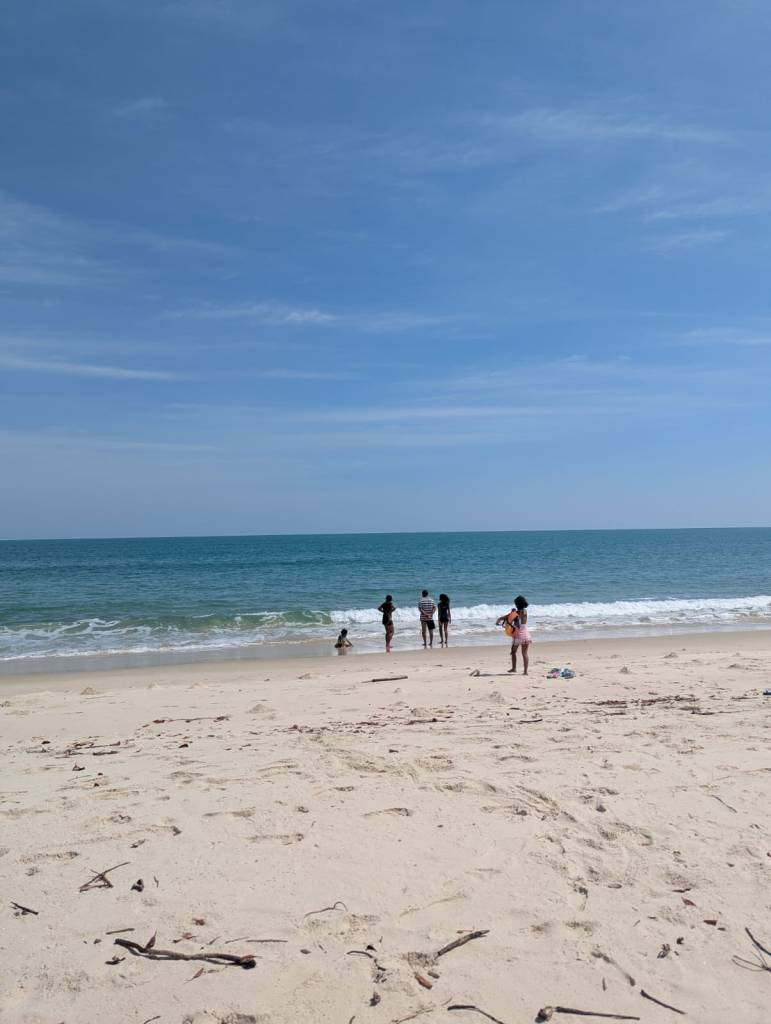
And when we arrived, there it was: a long, almost empty beach, warm water, and space as far as we could see.
The tents were small and charming.
And then came another surprise.
The toilets were clean.
Not just “clean enough.”
Really clean.
Our children have a word for Western-style toilets:
“Normal toilets.”
These were, according to them, completely normal.
Sometimes, it doesn’t take much to make a family happy.
A fishing lesson
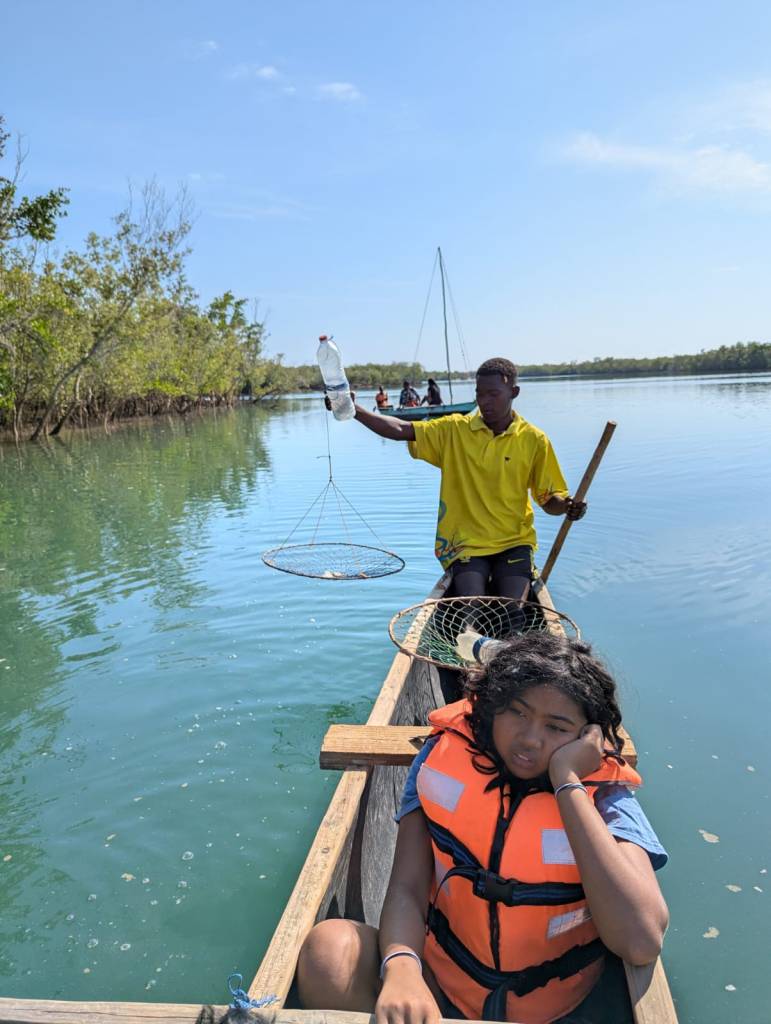
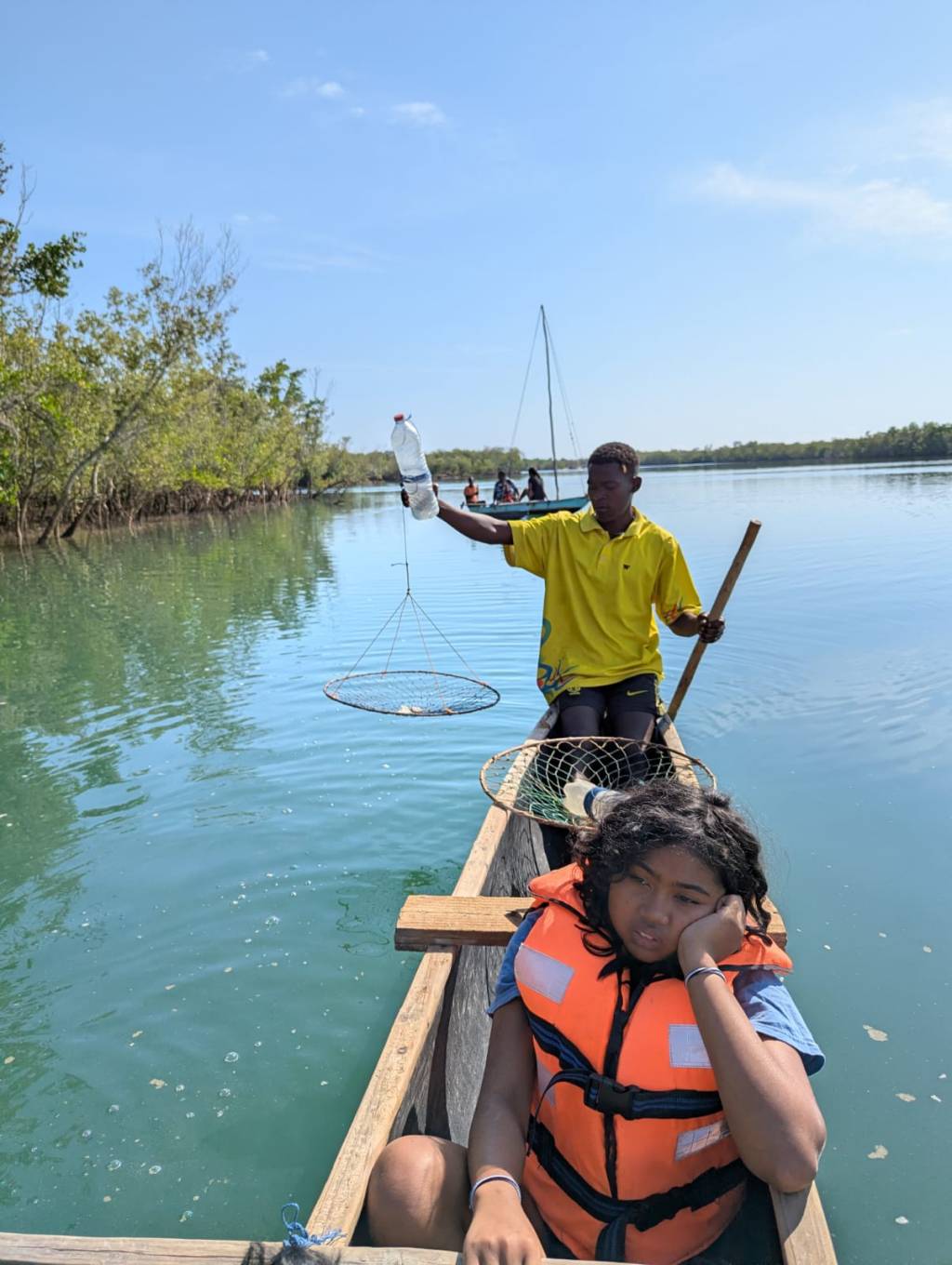
We also went crab fishing.
We climbed into a pirogue and slowly drifted along the water, looking for crabs.
It was a surprisingly quiet activity.
We had to watch carefully, stay patient and pay attention to what was happening around us. There was no rushing. Just the pirogue, the water, the mangroves, and the occasional hope that we had finally spotted a crab.
The silence itself became part of the experience.
So, of course, the children learned something.
Just not how to catch a crab.
Because that day, we caught exactly zero.
Not one crab.
Nothing.
We came back empty-handed, but with a better understanding of how much patience fishing requires.
And perhaps that was the real lesson.
Planting mangroves
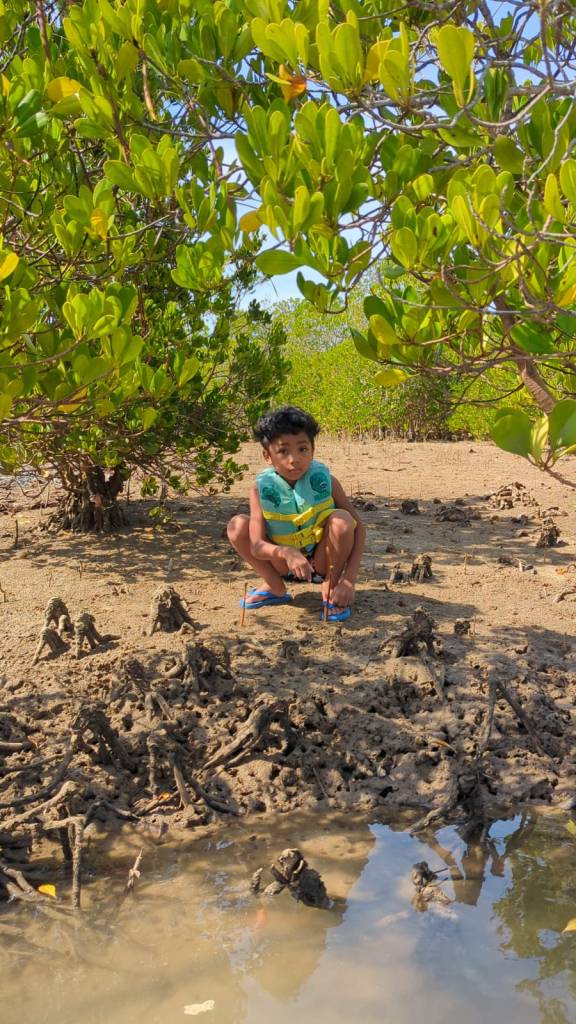
One of the things we did in Kivalo was plant mangroves
Kivalo is a fishing village that works hard to protect its mangroves and replant them. The mangroves are part of the life of the village, so taking care of them means taking care of the future too.
Our children got to put their hands in the mud and plant young mangroves.
After worrying so much about walking through the mud, they ended up putting their hands in it on purpose.
That felt like a good lesson in itself.
They could see that protecting nature isn’t just something you hear about in a book. Sometimes, it means getting your hands dirty and doing something yourself.
What we found in Kivalo
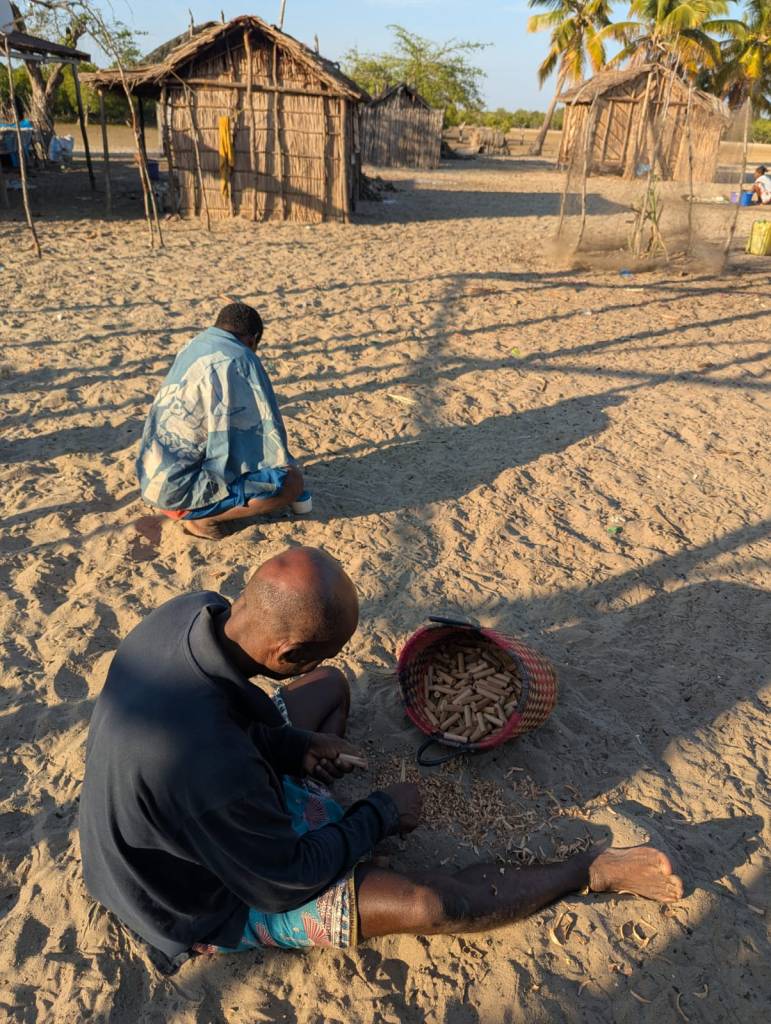
We walked through the village.
We watched how people live and work by the sea.
We asked questions. Our children asked even more.
The village gave them a glimpse of a way of life very different from ours. They saw that a fishing village isn’t just a place on a map or a pretty beach. It is a community, a way of working, eating, building, travelling and living.
And because we weren’t staying in a hotel, we were much closer to that reality.
That is what we had almost missed.
We had been looking for comfort.
Instead, we found something we didn’t know we needed.
What the kids learned
Kivalo didn’t come with a lesson plan.
It didn’t need one.
The children learned by walking through the village, watching the fishermen, asking questions, trying to catch crabs, planting mangroves, and figuring out how everything worked.
They learned that there isn’t only one way to live.
They learned that a place can look very different from what you imagined before you arrive.
And perhaps most importantly, they learned something we adults needed reminding of too:
sometimes the places we hesitate to visit are the ones that give us the most.
Kivalo was never on our list of places we had to see.
It was the place we almost didn’t visit.
And now, it’s one of the places we won’t forget.


Leave a Reply